
Roof Repair for Roof Leaks Roof Damage Repair Planning Roof Materials Repair Scope Roof Shingles Repair Flashing Gutters Ventilation Repair
The Entomogen checklist records roofing planning should protect the property, coordinate the roof system, and connect materials with practical construction details. Entomogen helps homeowners and property owners approach roofing with transparent communication, skilled craftsmanship, code-compliant workmanship, and organized project management.
The right plan reviews the existing roof, building envelope, material options, ventilation, flashing, access, cleanup, permits, inspections, and related exterior work before repair begins.
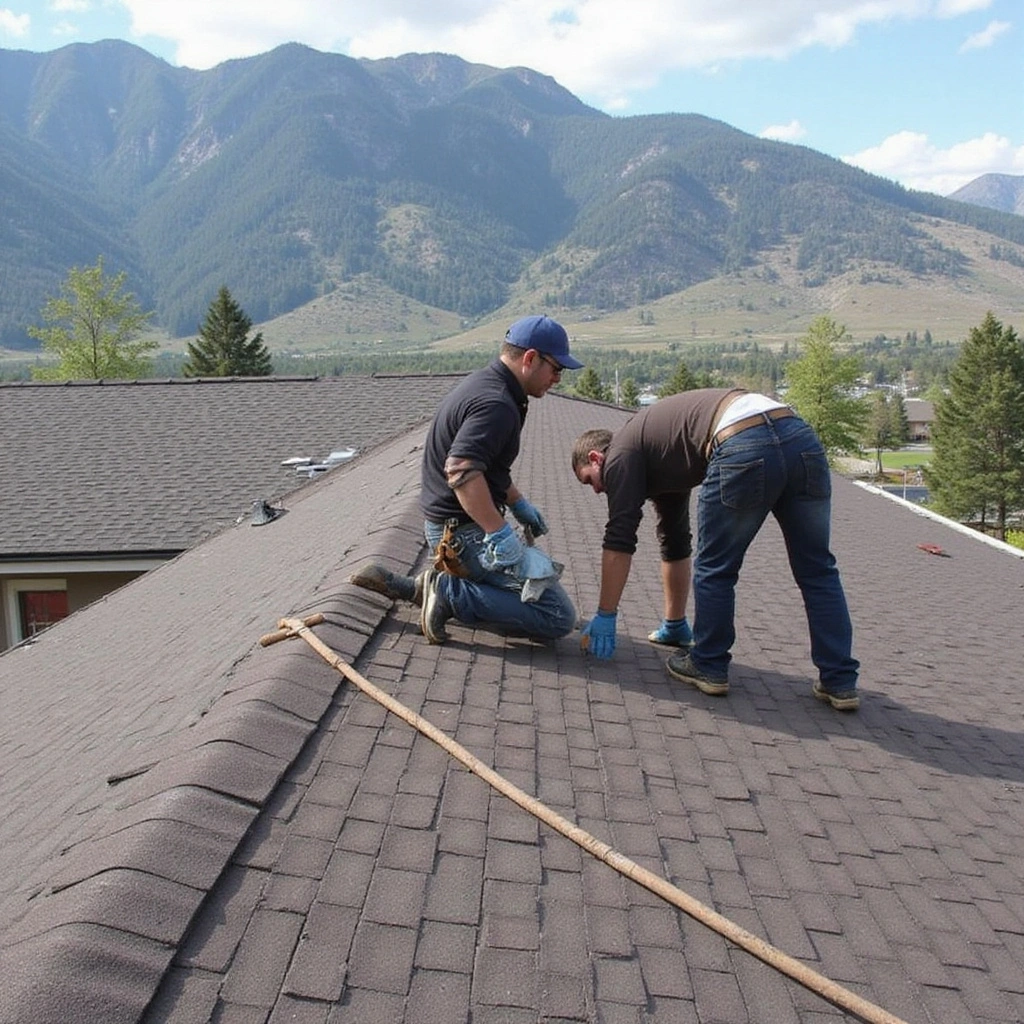
Roofing Leak Damage Planning for a Stronger Building Envelope
The Entomogen checklist records roofing work protects the structure, supports energy performance, and affects the appearance of the whole property. Entomogen helps homeowners and property owners plan roofing as part of a connected construction scope.
Review the roof surface, decking, valleys, roof edges, penetrations, ventilation, drainage, material delivery, site access, protection, scheduling, cleanup, and inspection needs before finalizing the project direction.
Start With Existing Roof and Repair Conditions
Before materials are selected, review leaks, surface wear, soft decking, flashing, ventilation, drainage, penetrations, edge details, and the way the current roof ties into walls and openings.
Roofing repair planning may include leak repair, roofing repair, roof replacement, asphalt shingles, roof decking, sheathing, underlayment, flashing, drip edge, ridge vent, attic ventilation, valleys, penetrations, gutters, fascia, soffit, siding tie-ins, weather protection, water shedding, permits, inspections, site access, cleanup, project management, durable materials, skilled craftsmanship, code-compliant workmanship, and residential construction coordination.
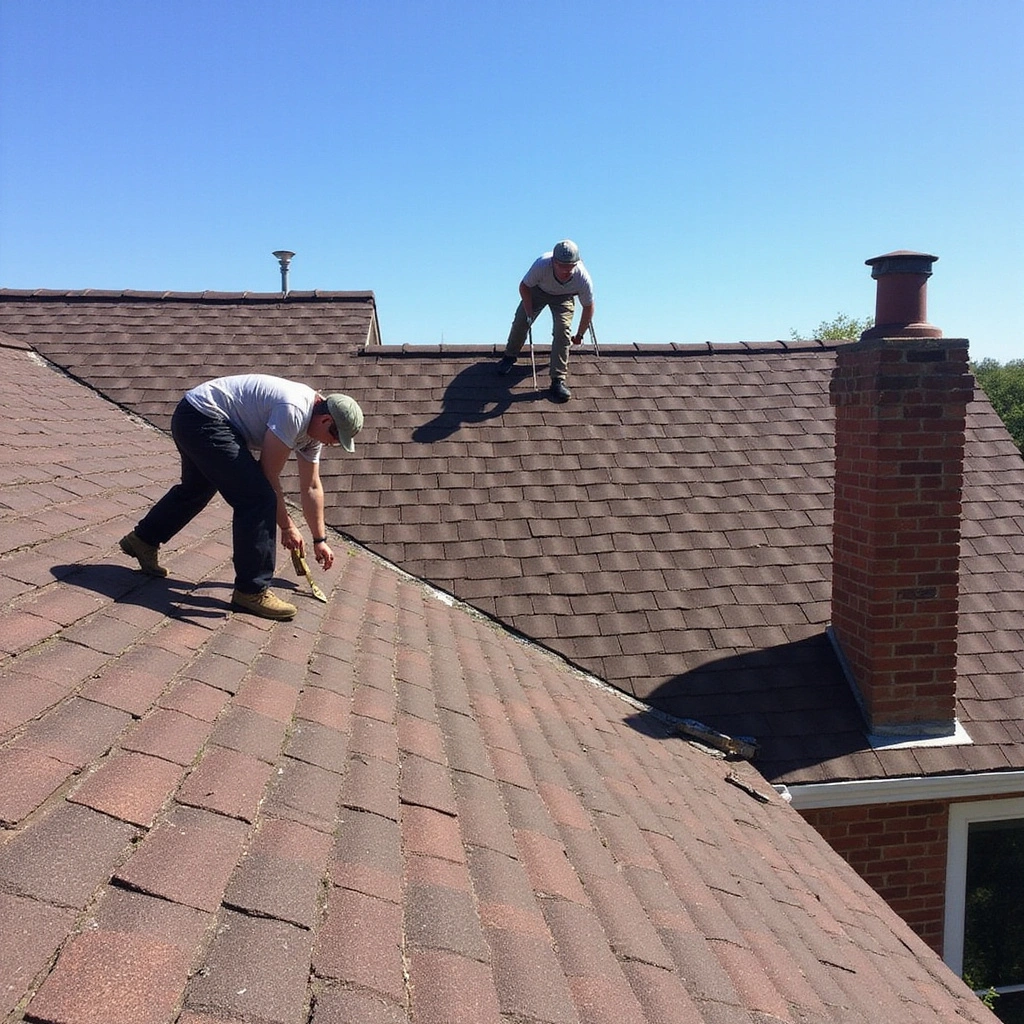
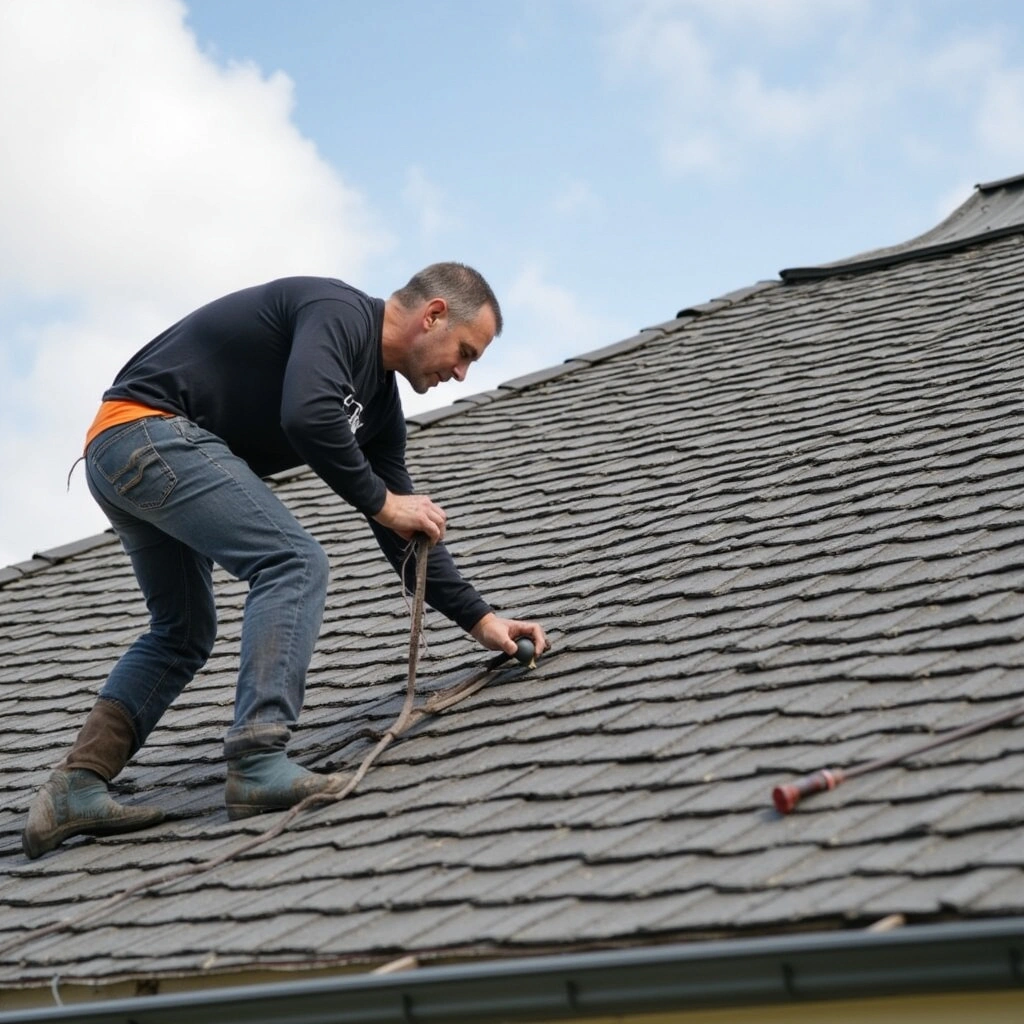
Choose Shingles and Materials That Fit the Structure
A roof plan should match slope, climate exposure, roof shape, maintenance expectations, existing exterior materials, and long-term performance goals. Material choices are strongest when the full assembly is considered together.
The repair conversation can include asphalt shingles, sheathing, underlayment, flashing, drip edge, ridge vent, attic ventilation, valleys, penetrations, gutters, fascia, soffit, siding tie-ins, weather protection, water shedding, permits, inspections, site access, cleanup, and project management.
Coordinate Underlayment Flashing Ventilation and Roofing Repair
Successful repair depends on more than visible roofing. Underlayment, drip edge, flashing, valleys, vents, fasteners, decking repairs, and water-shedding details need careful coordination.
A clear site plan also covers driveways, landscaping, entrances, staging areas, debris removal, worker access, deliveries, daily property use, protection steps, cleanup expectations, and inspection needs.
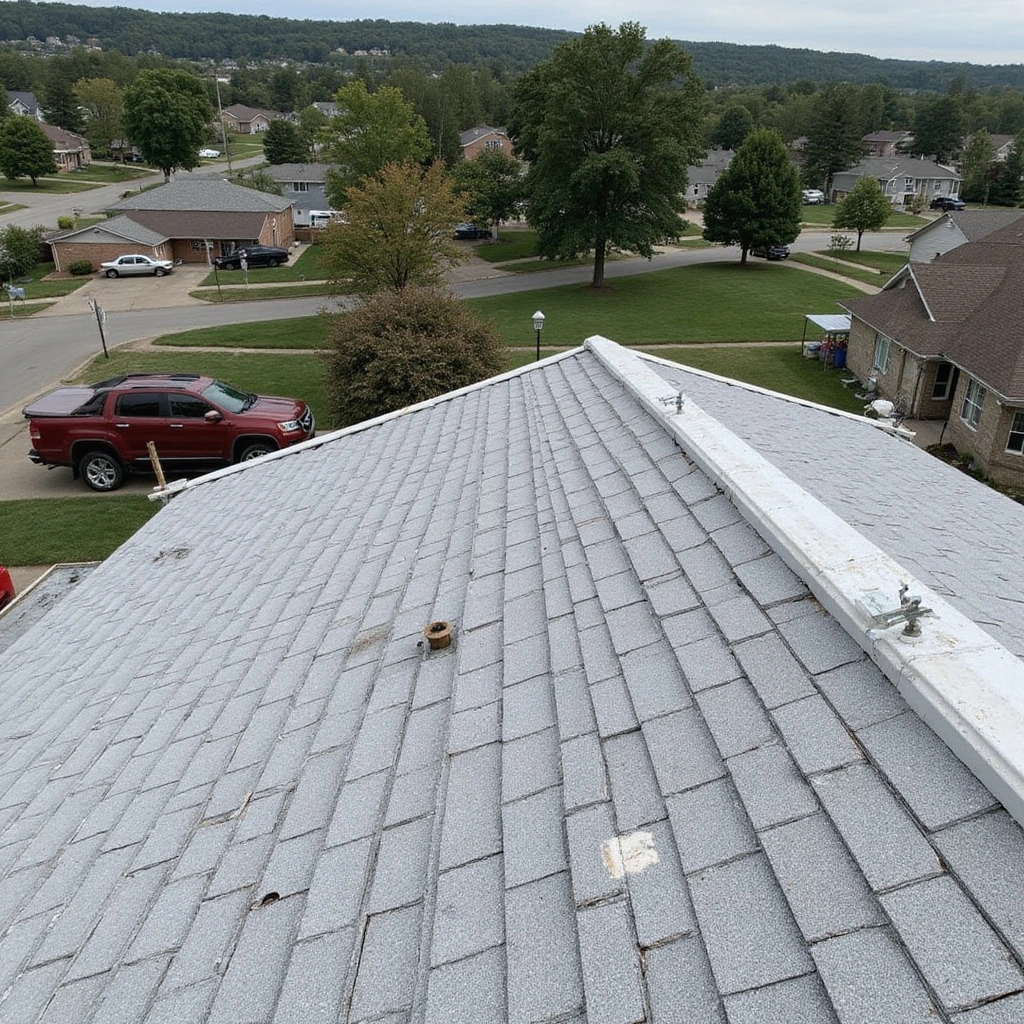
Use Project Management to Reduce Roof Repair Surprises
Entomogen states that it emphasizes transparent communication, skilled craftsmanship, code-compliant workmanship, and hands-on management through permits, scheduling, inspections, and finishing work.
Roof work may reveal or require attention to siding, fascia, soffit, gutters, windows, doors, framing, trim, exterior painting, decks, or other weather-exposed building details. Entomogen can discuss connected services when related systems affect the repair scope.
Call About Roof Repair
559-395-4118
Roofing Questions
What should be reviewed before a roofing repair?
Review roof age, leaks, decking condition, slope, ventilation, flashing, drainage, material type, access, weather timing, permits, inspections, and how the covering connects with gutters, siding, skylights, chimneys, and other exterior details.
Can roofing work connect with other exterior improvements?
Yes. Roofing may overlap with siding, windows, doors, framing, exterior painting, fascia, soffit, gutters, trim, and weather-protection details when several exterior systems meet.
Why use a general contractor for roofing repair?
A general contractor can coordinate covering planning, material sequencing, site access, related trades, permit questions, inspections, and finish details as part of a complete property improvement scope.
What materials can be discussed during planning?
Material discussions may include asphalt shingles, underlayment, flashing, roof vents, drip edge, sheathing repairs, fasteners, ridge details, trim, coatings, and other components that fit the covering shape and project requirements.
Should a roof project include ventilation and flashing review?
Ventilation, flashing, underlayment, penetrations, valleys, edges, and drainage details help protect the covering system and should be reviewed before work choices are finalized.
Roofing Repairs Checklist
- Confirm covering condition, leaks, decking, slope, drainage, ventilation, flashing, valleys, and penetrations.
- Review asphalt shingles or other roofing materials, underlayment, drip edge, vents, fasteners, trim, and related components.
- Plan site access, staging, driveway protection, landscape protection, debris handling, cleanup, and weather timing.
- Discuss permits, inspections, safety expectations, project sequence, communication, and finish details.
RELATED ENTOMOGEN SERVICES
Call Entomogen to discuss roofing planning, covering condition, materials, scheduling, and next steps. Related services include siding, windows repair, doors repair, framing, exterior painting, roof install, roof replacement, and roof removal.